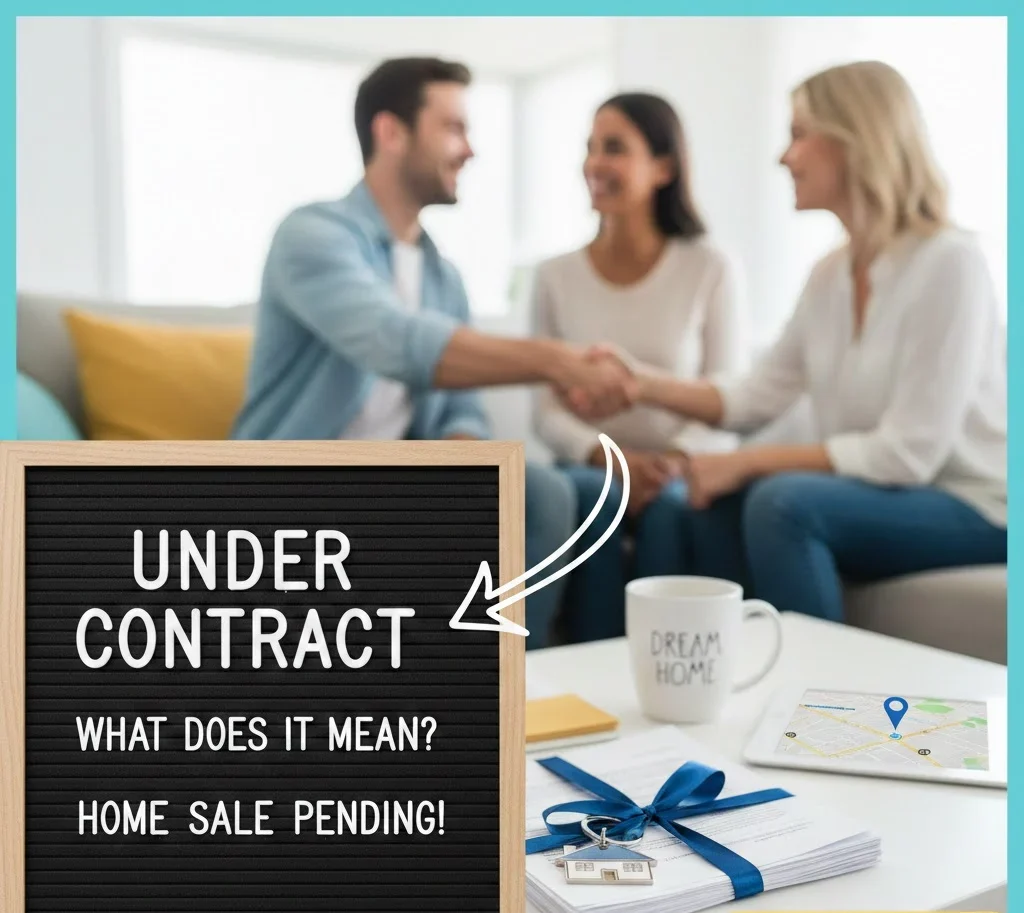
If you’ve been browsing real-estate listings, you’ve probably noticed some homes labeled “Under Contract.” This phrase confuses many first-time buyers, renters, investors, and even casual online browsers. Does it mean the house is sold? Can someone still make an offer? What exactly happens during this stage?
This guide breaks down what “under contract” means, why it matters, how the process works, and what buyers and sellers can expect at each step. We’ll use clear examples, short sentences, and a friendly tone so everyone—from new homebuyers to professionals—can understand the entire process with confidence.
Definition & Meaning of “Under Contract”
In real estate, “under contract” means the buyer and seller have signed a legally binding purchase agreement, but the deal is not finalized yet.
Think of it as the middle stage between “available” and “sold.”
Key points:
- A buyer has made an offer.
- The seller has accepted it.
- Both parties have signed the contract.
- The property is temporarily off the market.
- The sale is still pending final steps.
In simple terms:
Under Contract = Deal agreed but not closed yet.
Typical Real-Estate Dialogue Example
Buyer: “Is the house off the market?”
Agent: “It’s under contract, but the sale isn’t final yet.”
Why Homes Are Marked Under Contract
- It prevents new buyers from expecting the home to be available.
- It signals the seller is committed to an accepted offer.
- It tells agents that the home is in the closing pipeline.
A Home Under Contract Is NOT Sold Yet
Many things still need to happen before a sale closes, such as:
- Inspections
- Appraisals
- Mortgage approval
- Contingency removal
- Final paperwork
Any issue in these steps may cause the deal to fall through.
Background & History of the Term
The phrase “under contract” has been used in real-estate law for decades. It comes from traditional property sale procedures where a written purchase agreement binds both sides until closing.
How the Term Developed
- Before online listings, buyers often relied on print ads or agent updates.
- “Under contract” was a simple way to show a home was reserved for a buyer.
- When digital real-estate platforms emerged, the term became widespread.
Modern Usage
Today, real estate listings on Zillow, Redfin, Realtor.com, and MLS systems often show statuses like:
- Active
- Active Under Contract
- Pending
- Contingent
- Closed
“Under contract” usually falls between Active and Pending.
Regional Differences
- USA: Standard real-estate term with legal implications.
- UK & EU: Similar to “offer accepted,” but legal binding depends on local law.
- Australia: Often tied closely to cooling-off periods.
While the phrase is universal, the rules behind it vary based on local real-estate regulations.
Usage in Different Real-Estate Contexts
“Under contract” appears across property listings, agent conversations, and legal documents.
1. On Property Listings
You’ll see labels like:
- “Under Contract”
- “Under Contract – Still Showing”
- “Under Contract – Accepting Backup Offers”
2. In Agent Conversations
Example:
“We accepted an offer yesterday. The home is now under contract.”
3. In Legal/Financial Documents
It means the sale agreement has been approved by both parties.
4. In Negotiation Contexts
Once a property is under contract:
- Negotiations are reduced.
- Major terms are already locked in.
- Future changes require amendments.
5. Table: How “Under Contract” Compares to Other Listing Statuses
| Status | Meaning | Buyer Options |
|---|---|---|
| Active | Home is available | Anyone can make an offer |
| Active Under Contract | Offer accepted + contingencies | Backup offers allowed |
| Contingent | Offer accepted with conditions | Backup offers often accepted |
| Pending | All contingencies removed | Very unlikely to accept backups |
| Under Contract | Agreement signed | Backup offers sometimes accepted |
| Sold/Closed | Sale completed | No offers allowed |
Professional Communication
The phrase “under contract” is common in professional real-estate communication. The tone is formal, clear, and legally grounded.
How Professionals Use It
- Agents: To update clients about listing status.
- Brokers: To coordinate inspections, appraisals, and paperwork.
- Lawyers: To reference binding obligations in the contract.
- Lenders: To move forward with mortgage processing.
Examples
Professional Email:
“The property at 245 Sunset Drive is now under contract. We will proceed with the inspection next week.”
When NOT to Use It Informally
Avoid using “under contract” for casual promises or verbal agreements. In real estate, the phrase has legal meaning, not casual meaning.
Safer Alternative Phrases
- “We accepted an offer.”
- “The sale is pending.”
- “The home is in the closing process.”
Hidden or Misunderstood Meanings
The phrase itself is not offensive, but many people misunderstand what it implies.
Common Misunderstandings
- “Under contract means sold.”
→ Incorrect. The deal is not final. - “You cannot make an offer on a home under contract.”
→ Not true. Backup offers are often allowed. - “Under contract guarantees closing.”
→ Deals can fall apart due to contingencies.
Risky Situations
- Buyers assuming the home is completely off the market.
- Sellers assuming the buyer cannot walk away.
- Confusion about deadlines and contingencies.
Safe Understanding
Treat “under contract” as a temporary phase where the property is reserved for a buyer but still subject to conditions.
Usage in Online Real-Estate Communities & Social Media
People often discuss listings on platforms like Facebook groups, Reddit real-estate communities, investor forums, or local buying groups.
Common Social Posts
- “Is this house still available or under contract?”
- “My offer got accepted—under contract now!”
- “House went under contract in 24 hours.”
Dating-App Style? Not Applicable
Unlike the AWL article’s slang usage, “under contract” stays within property and legal conversations.
Real Discussion Example
User 1: “This house is perfect! Still available?”
User 2: “No, it went under contract yesterday.”
Comparison with Similar Real-Estate Terms
Here’s a clear comparison chart:
| Term | Meaning | Can Buyers Still Offer? | Final? |
|---|---|---|---|
| Under Contract | Agreement signed but not closed | Sometimes | No |
| Contingent | Under contract with conditions | Yes | No |
| Pending | All contingencies cleared | Rarely | No |
| Under Offer | Offer accepted (common in UK/AU) | Sometimes | No |
| Sold/Closed | Sale complete | No | Yes |
10 Related Real-Estate Terms You Should Know
Here are essential real-estate terms connected to “under contract”:
- Contingency – A condition that must be met for the deal to proceed.
- Pending Sale – All contingencies removed; final steps underway.
- Earnest Money – Buyer’s deposit showing commitment.
- Inspection Period – Time for checking property condition.
- Appraisal – Professional property value estimate.
- Closing Date – Final meeting to transfer ownership.
- Title Search – Checking ownership history.
- Backup Offer – Secondary offer in case the first fails.
- Due Diligence – Buyer’s investigation period.
- Cooling-Off Period – Time allowed to cancel (region-specific).
These terms often appear in the same conversations where “under contract” is used.
How to Respond When a Property Is “Under Contract”
Your response depends on whether you’re a buyer, seller, or investor.
1. As a Buyer
- Casual:
“Thanks for the update!” - Interested:
“Can I submit a backup offer?” - Curious:
“When will the contingency period end?”
2. As a Seller
- “We can still accept backup offers.”
- “We’re moving toward closing now.”
3. As an Investor
- “Let me know if the deal falls through.”
4. Professional Response
“Understood. Please share the next steps in the inspection and appraisal timeline.”
5. Privacy-Conscious Response
Use short replies without sharing deal details:
- “The property is under contract at the moment.”
Regional & Cultural Differences
The meaning of “under contract” varies slightly by region:
United States
- Legally binding once signed.
- Multiple contingency types exist.
- Backup offers are common.
United Kingdom
- Similar to “offer accepted,” but the deal isn’t binding until exchange of contracts.
Australia
- Often tied to a cooling-off period where buyers can withdraw.
Canada
- Comparable to US usage but varies by province.
Example of Interpretation Differences
“The home is under contract.”
- US Buyer: Deal is legally locked in but pending.
- UK Buyer: Deal is accepted but not final.
- AU Buyer: Offer accepted; cooling-off rules may apply.
FAQs
Q1: Does under contract mean sold?
No. It means the sale is in progress but not completed.
Q2: Can I still make an offer on a home under contract?
Yes, in most cases—this is called a backup offer.
Q3: How long does a home stay under contract?
Usually 30–60 days, depending on inspections and financing.
Q4: Can a seller back out after being under contract?
Only under specific conditions outlined in the contract.
Q5: Can a buyer walk away from a home under contract?
Yes—if contingencies aren’t met or issues arise during inspections.
Q6: Is under contract different from contingent?
Yes. “Contingent” emphasizes conditions that must be met.
Q7: What happens after a home is under contract?
Inspections, appraisals, mortgage approval, and final paperwork.
Conclusion
Now you know exactly what under contract means in real estate and why it plays such an important role in the buying and selling process. It signals that both parties have agreed to a deal but still need to complete inspections, appraisals, financing, and legal steps before closing. Understanding this phase helps buyers make smarter decisions, sellers stay informed, and investors spot opportunities. If you ever see a home listed as under contract, you’ll know it isn’t fully sold yet—and you may still have options to move forward.