Understanding sexual orientation can feel complex, especially when it comes to identities like pansexuality. You may have heard the term pansexual before, but what does it really mean? How does it differ from bisexuality, and what does it mean in the context of LGBTQ+ identities? This guide dives deep into the meaning, signs, myths, and facts about pansexuality so you can understand it clearly and accurately.
Pansexual Meaning and Definition
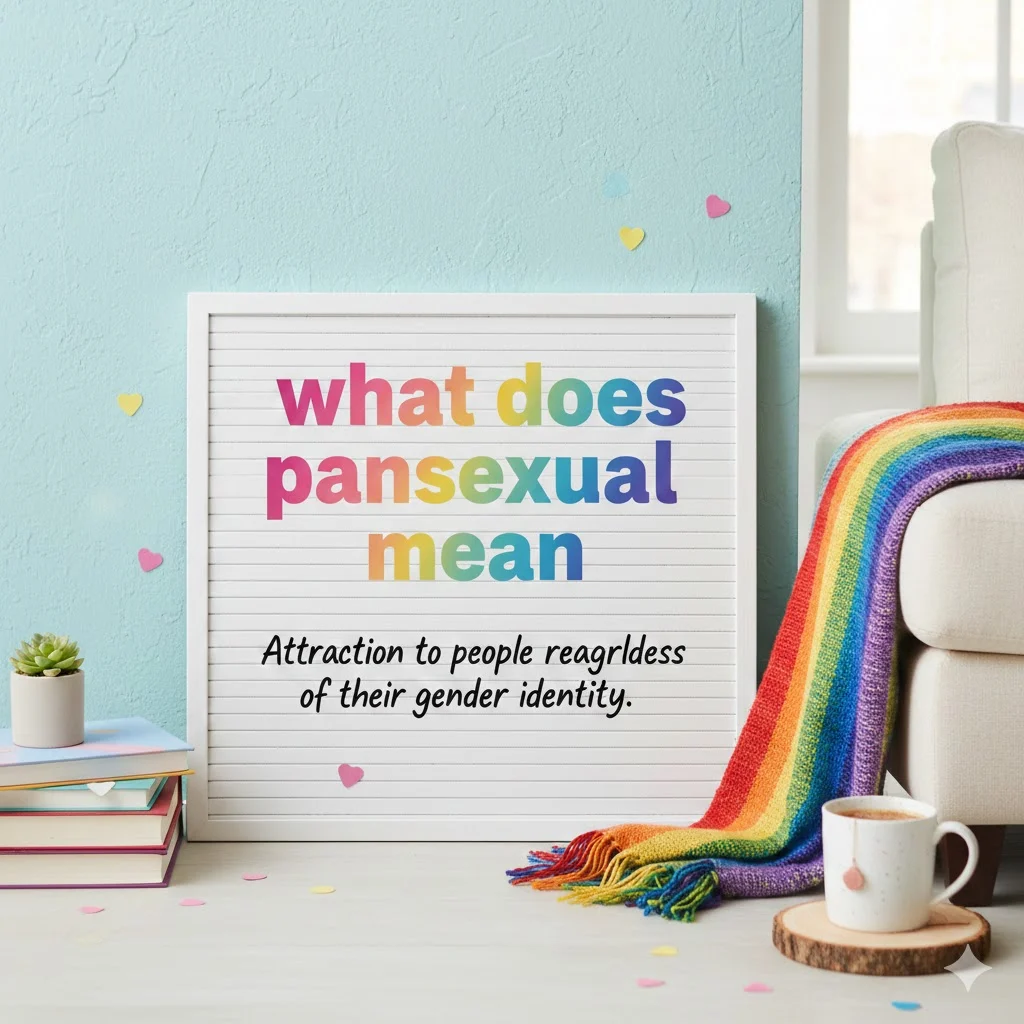
At its core, pansexuality is a sexual orientation that describes individuals who are attracted to people regardless of gender. Unlike sexual orientations that limit attraction to one or two genders, pansexuality is inclusive of all gender identities, including male, female, transgender, non-binary, and genderqueer individuals.
The prefix “pan-” comes from Greek, meaning “all,” which perfectly captures the essence of pansexual attraction. Pansexual people may experience romantic, sexual, or emotional attraction toward anyone, and their attraction is not defined by gender identity or biological sex.
Key Points About Pansexuality:
- Pansexuality = attraction beyond the gender binary.
- Attraction can be romantic, sexual, or emotional.
- Pansexuality is a valid, recognized sexual orientation within the LGBTQ+ community.
Pansexuality does not mean a person is attracted to everyone, nor does it imply promiscuity. It simply describes the potential to be attracted to any gender, focusing on the person rather than the gender label.
Pansexual vs Bisexual
One of the most common confusions is the difference between pansexual and bisexual identities. While they share similarities, the distinctions are important.
Comparison Table: Pansexual vs Bisexual
| Feature | Bisexual | Pansexual |
|---|---|---|
| Gender Scope | Two or more genders (traditionally male & female) | All genders, including non-binary and genderqueer |
| Focus of Attraction | Gender can play a role in attraction | Gender is irrelevant in attraction |
| Community | Often included under bisexual umbrella | Recognized as a distinct LGBTQ+ identity |
| Misconceptions | “Confused or undecided” | Often mistaken for bisexuality |
Key takeaway: While bisexuality may consider gender as part of attraction, pansexuality emphasizes attraction without any gender limitations.
Signs of Being Pansexual
Understanding whether you identify as pansexual is a personal journey. There are common signs that can help you reflect:
- You feel attraction to people regardless of gender.
- You experience romantic or sexual interest in non-binary, transgender, and cisgender people alike.
- Emotional connection often matters more than gender when forming relationships.
- You may notice that labels like male/female do not limit your attraction.
- You resonate with the pansexual flag or community.
It’s important to note that there is no strict checklist for identifying as pansexual. Sexuality is a spectrum, and your self-identification is valid as long as it aligns with your authentic feelings.
Pansexual Attraction Explained
To truly understand pansexuality, it’s crucial to explore what pansexual attraction looks like. Unlike some sexual orientations where gender is a factor, pansexual attraction is person-centered, focusing on personality, chemistry, or emotional connection rather than gender identity.
Types of Pansexual Attraction:
- Sexual attraction: Desire for sexual intimacy, independent of gender.
- Romantic attraction: Desire for emotional and romantic relationships, independent of gender.
- Emotional attraction: Connection and affection that may or may not involve sexual or romantic feelings.
This gender-inclusive approach means that pansexuality is flexible and fluid, recognizing that attraction can manifest in various ways for different people.
Fact: Many pansexual people experience attraction across a spectrum of genders, making their identity highly inclusive and non-restrictive.
Pansexual Identity and Community
Identifying as pansexual is more than sexual preference; it’s also part of a broader LGBTQ+ identity and community. Pansexual people often engage in pride events, online communities, and support networks that celebrate inclusivity and gender diversity.
Pansexual Flag Meaning
The pansexual flag is a symbol of pride and visibility. Each color carries meaning:
| Color | Meaning |
|---|---|
| Pink | Attraction to women |
| Yellow | Attraction to non-binary and genderqueer individuals |
| Blue | Attraction to men |
The flag helps pansexual people express their identity publicly and fosters a sense of community and recognition.
Pansexual Community and Support
- Online forums and social media groups provide connection and advice.
- LGBTQ+ centers often offer support services for pansexual individuals.
- Representation in media is increasing, giving visibility to pansexual characters and role models.
Joining or supporting pansexual communities helps normalize diverse sexual orientations and provides resources for personal growth.
Pansexuality in the Context of LGBTQ+
Pansexuality exists within the broader LGBTQ+ spectrum, alongside bisexuality, omnisexuality, queer, and other sexual orientations. It emphasizes gender-inclusive attraction and challenges rigid labels.
Related Identities:
- Omnisexual: Attraction to all genders, but may recognize gender as a factor.
- Queer: Broad term for non-heterosexual identities, often including pansexuality.
- Non-binary and Genderqueer: People whose gender does not fit traditional male/female categories.
Understanding pansexuality helps expand awareness of human sexuality, promoting inclusivity and acceptance.
Common Myths and Facts About Pansexuality
Pansexuality is often misunderstood, leading to stereotypes and misconceptions. Let’s clarify some of the most common myths:
Table: Pansexual Myths vs Facts
| Myth | Fact |
|---|---|
| Pansexuality is a phase | Pansexuality is a valid, lifelong sexual orientation |
| Pansexual people are promiscuous | Attraction doesn’t dictate sexual behavior |
| Pansexuality is the same as bisexuality | Pansexuality focuses on gender-inclusive attraction |
| Pansexual people are confused | Self-identification is clear and intentional |
| Only young people can be pansexual | Pansexuality can be identified at any age |
By addressing these myths, society can better understand and respect pansexual identities.
Symbols and Flags
Besides the pansexual pride flag, other symbols represent pansexual identity and inclusivity:
- Pansexual triangle: Often used in graphic representations of pansexuality.
- Colors: Pink, yellow, and blue symbolize gender-inclusive attraction.
- Online hashtags: #Pansexual, #PanPride, and #PanVisibility increase awareness and community support.
These symbols play a vital role in LGBTQ+ visibility and representation.
Resources and Awareness
Understanding pansexuality can be further enhanced through educational resources and self-awareness tools.
Pansexual Awareness Tips:
- Take quizzes to explore your attraction patterns (pansexual quiz, am I pansexual?).
- Join online communities or forums for support and advice.
- Attend LGBTQ+ events and pride parades to meet like-minded individuals.
- Learn pansexual terminology to communicate your identity clearly.
Creating awareness helps reduce stigma and promotes acceptance and understanding.
Signs You Might Be Pansexual
Some additional signs people identify as pansexual include:
- You don’t find gender a limiting factor in romantic or sexual attraction.
- You feel comfortable with fluid identity labels.
- Emotional compatibility often outweighs gender-based preferences.
- You relate to pansexual symbols or flag colors.
- You seek communities that embrace diversity in attraction and identity.
Remember, these signs are not definitive. Sexuality is unique to each person.
Pansexuality in Everyday Life
Living as a pansexual individual may involve navigating a world that is largely gender-focused in relationships. Here’s how pansexuality can manifest in real life:
- Dating: Attraction is person-centered, not gender-centered.
- Romantic relationships: Focus on emotional bonds and compatibility rather than gender.
- Social interactions: Awareness of pronouns and gender diversity is important.
- Self-expression: Identifying as pansexual allows authentic self-expression without gender-based limitations.
By understanding pansexuality, both individuals and society can embrace diverse relationships and identities.
Frequently Asked Questions About Pansexuality
What does pansexual mean in simple terms?
- Pansexuality is attraction to people regardless of gender.
Is pansexuality common?
- Exact statistics vary, but studies show a growing number of people identify as pansexual, especially among younger generations.
How do pansexual people identify?
- Identity is self-determined and can include romantic, sexual, or emotional attraction across all genders.
Pansexual vs Omnisexual—what’s the difference?
- Omnisexual people may recognize gender in attraction, while pansexuality emphasizes gender-blind attraction.
Final Thoughts
Understanding what it means to be pansexual is about recognizing attraction beyond gender, promoting inclusivity, and respecting diversity in sexual orientation. Whether you identify as pansexual, know someone who does, or are simply learning, the key is to embrace openness and acceptance.
Quotes on Pansexuality:
“Pansexuality is about love without limits, attraction without boundaries, and connection without gender.”
“Being pansexual isn’t about who you can love; it’s about seeing people for who they truly are.”
Summary Table: Pansexual Key Concepts
| Concept | Explanation |
|---|---|
| Definition | Attraction to people regardless of gender |
| Flag Colors | Pink, Yellow, Blue – representing women, non-binary, and men |
| Common Myths | Misconceptions about promiscuity and confusion |
| Community | Online forums, pride events, social media support |
| Distinction | Different from bisexuality – gender-blind attraction |
| Signs | Attraction to all genders, focus on emotional connection |
Understanding pansexuality is a journey of awareness and empathy. By learning the terminology, recognizing common myths, and appreciating the community, you gain insight into a sexual orientation that emphasizes human connection over gender boundaries.