If you’ve been scrolling through TikTok, texting friends, or browsing social media, you’ve probably come across the term “cap”. Sometimes it’s used alone, other times paired with “no,” as in “no cap”. If you’ve ever wondered what does cap mean and why it’s everywhere in Gen Z conversations, you’re in the right place.
This guide breaks it all down — from the meaning and origins to real-world usage and cultural relevance. By the end, you’ll not only understand cap, but you’ll also know how to use it like a pro in texts, memes, and social media posts.
What Does “Cap” Mean?
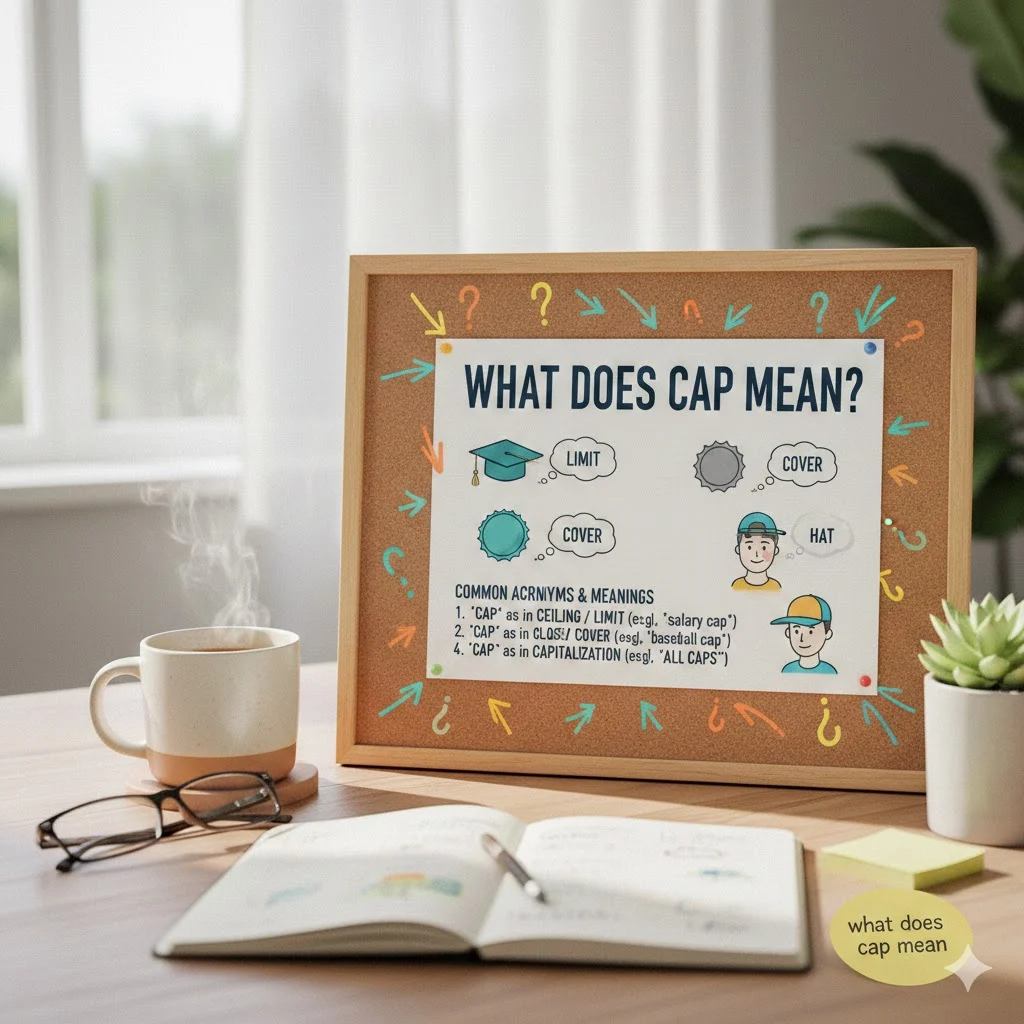
At its core, cap is modern slang for lying or exaggerating. When someone says you’re “capping,” it means they believe you’re not telling the truth. Conversely, saying “no cap” emphasizes honesty — the speaker is being truthful and straightforward.
In everyday texting, it might look like this:
- Friend 1: “I got tickets to the sold-out concert!”
- Friend 2: “Stop capping!”
Here, Friend 2 is implying that they doubt the first friend’s claim.
Key points about “cap”:
- Slang term used predominantly by Gen Z.
- Can function as a noun, verb, or participle depending on context.
- Common in social media posts, messaging apps, and rap lyrics.
The word has become so popular that it now appears across platforms like TikTok, Twitter, Instagram, and Snapchat, making it a staple in online conversations.
Origins of “Cap” in Slang
You might wonder, “Where did cap come from?” The origins trace back to African American Vernacular English (AAVE). In AAVE, “capping” referred to exaggerating or lying, and the term later spread into mainstream culture through music and social media.
Rap Culture Influence
Several rap artists helped popularize the slang in the 2010s. Lyrics often used phrases like:
Artists like Future, Young Thug, and Lil Baby contributed to spreading this term, which later became viral on social media.
Social Media Amplification
Platforms like TikTok and Twitter helped the term reach younger audiences outside of music. Short videos, memes, and trends further cemented cap as a universal slang word.
Key takeaway: While it originated in AAVE, cap is now widely recognized across social media and messaging platforms.
See also Related:-
Click Here: What Does “DTF” Mean in Text, Chat, and Social Media?
See Also: What Does “In Transit” Mean? A Complete Guide to Tracking Packages
Click Here: What Does “XD” Mean in Text, Chat, and Social Media?
“No Cap” Explained
One of the most common variations of the term is “no cap.” This phrase emphasizes that someone is telling the truth, with no exaggeration.
For example:
- “That new movie was the best I’ve seen this year, no cap.”
- “I really ran 5 miles today, no cap.”
Using “No Cap” Correctly
- In texts: Adds honesty to a statement.
- In captions: Signals authenticity to your audience.
- In conversation: Shows emphasis on truthfulness.
Think of it as saying “I swear” or “for real” in a modern, catchy way.
Quick Facts About “No Cap”:
| Phrase | Meaning | Example |
|---|---|---|
| No cap | Truth / honesty | “This pizza is the best, no cap.” |
| Cap | Lie / exaggeration | “He said he met Drake… cap.” |
| Capping | Exaggerating | “She’s capping about her salary.” |
Variations of Cap in Slang
The slang doesn’t stop with “cap” and “no cap.” There are a few variations worth knowing:
Capping
- Definition: Present participle form, meaning exaggerating or lying.
- Example: “He’s capping about his high score in the game.”
Cap vs Lie
While similar, cap often has a playful or casual tone, whereas “lie” is more formal and serious. Saying “stop capping” in texts or social media is less accusatory than calling someone a liar.
Related Phrases
- Stop capping → Stop lying/exaggerating.
- Big cap → A big lie or exaggeration.
Quick comparison table:
| Term | Meaning | Usage Example |
|---|---|---|
| Cap | Lie / false statement | “He said he’s a millionaire… cap.” |
| No Cap | Honest / truthful | “I really finished that project early, no cap.” |
| Capping | Exaggerating | “She’s capping about winning the lottery.” |
Using “Cap” in Texting and Messaging
Texting is one of the most common places you’ll see cap. Here’s how to use it naturally:
- As a noun: “That’s cap.”
- As a verb: “Stop capping.”
- As a participle: “He’s capping about his grades.”
Tips for Effective Usage
- Context is key: Make sure the recipient understands the slang.
- Pair with tone: Emojis can help convey sarcasm or seriousness.
- 😂 for playful exaggeration
- 😐 for disbelief or doubt
- Use sparingly: Overusing slang can dilute the effect.
Cap in Pop Culture
Slang like cap doesn’t exist in isolation; it’s heavily influenced by music, memes, and social trends.
Rap and Music
Rap lyrics often use cap to highlight honesty or call out false claims. Artists such as Drake, Future, and Lil Baby regularly use “cap” and “no cap” in their verses.
Meme Culture
Memes amplify the slang. For instance:
- A funny video might caption a clearly exaggerated claim with “cap”.
- Memes often play with irony, sarcasm, or exaggeration, making cap a versatile term.
Quick Fact: On TikTok alone, hashtags like #nocap have millions of views, showing its massive popularity.
Common Questions About Cap
Here are answers to frequent queries surrounding cap:
What does it mean when someone says cap?
It usually implies the person believes you’re lying or exaggerating.
Is “cap” always a lie?
Not always. Sometimes it’s playful exaggeration rather than serious deceit.
Can “no cap” be used sarcastically?
Yes, tone and context are important. In sarcastic usage, it can mock honesty.
Difference between “cap” and “capping”?
- Cap = noun (the lie itself)
- Capping = verb (the act of lying or exaggerating)
Examples of Cap in Real-Life Context
Understanding slang is easier with real-world examples. Here are scenarios where cap appears naturally:
Texting Examples
- “I just bought a Tesla.” → “Stop capping, no way.”
- “That was the best pizza ever, no cap.”
Social Media Examples
- Instagram caption: “Finally hit 10k followers, no cap!”
- TikTok comment: “He said he can do a backflip… cap.”
Comparison Table: Cap vs No Cap
| Phrase | Meaning | Example |
|---|---|---|
| Cap | Lie / false claim | “He said he’s the CEO… cap.” |
| No cap | Honest / truth | “This is the best day ever, no cap.” |
| Capping | Exaggerating | “She’s capping about her promotion.” |
Tips for Using Cap Correctly
Using cap properly ensures you’re understood and culturally in the know:
- Tone matters: Sarcasm can flip the meaning.
- Platform matters: TikTok, Instagram, and Snapchat audiences might interpret differently.
- Cultural sensitivity: Remember the term originates from AAVE; respectful usage matters.
- Keep it casual: Cap works best in informal conversations.
Related Slang and Alternatives
If you want to expand your slang vocabulary, here are similar terms:
- Synonyms: Lie, fib, false statement, exaggeration.
- Similar phrases: “No lie,” “for real,” “not gonna lie.”
- Messaging alternatives:
- “She’s stretching the truth.”
- “That’s a tall tale.”
- “I doubt that.”
These can be swapped depending on context and audience familiarity.
Cap in Modern Gen Z Slang
Cap is more than a word; it’s part of a cultural lexicon. Understanding it helps you communicate with younger audiences, follow social media trends, and decode online humor.
Fun fact: In Gen Z slang dictionaries, “cap” ranks as one of the most searched words, reflecting its rapid adoption across platforms and conversations.
The Role of Cap in Digital Communication
Slang like cap illustrates how language evolves with technology:
- Messaging efficiency: Short, clear expressions save typing time.
- Social bonding: Shared slang fosters in-group understanding.
- Humor and irony: Cap allows playful interaction, exaggeration, and memes.
Table: Cap Usage Across Platforms
| Platform | Typical Usage | Example |
|---|---|---|
| TikTok | Video captions, comments | “This trick works, no cap.” |
| Captions, stories | “Finally graduated, no cap!” | |
| Replies, threads | “He said he’s fluent in 5 languages… cap.” | |
| Messaging apps | Texting friends | “Stop capping about your run.” |
Conclusion
So, what does cap mean? Simply put:
- Cap = lie or exaggeration
- Capping = the act of lying
- No cap = being truthful
Whether you’re texting friends, posting memes, or analyzing rap lyrics, understanding cap helps you decode modern slang. It’s playful, versatile, and essential for online literacy in Gen Z culture.
Next time someone tells you, “Stop capping,” you’ll know exactly what they mean — and you’ll be ready to reply, “No cap, I’m serious!”
Discover More Related Articles:-
Poe AI: Complete Guide to Features, Pricing, Roleplay …
Polybuzz AI: The Ultimate Guide to the AI Conversation Platform
TMB Meaning in Text | What It Really Means in Chat, Social …