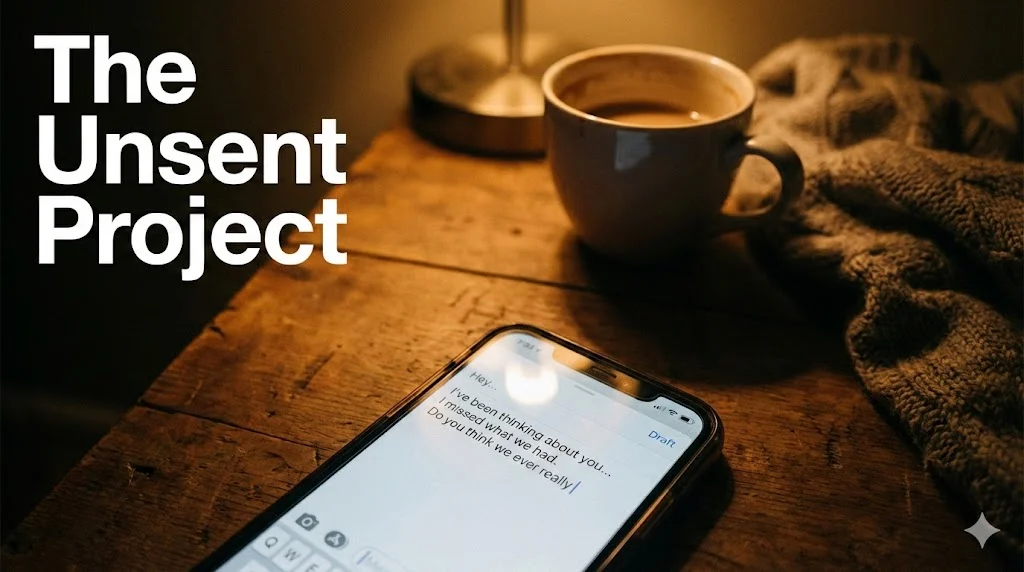
Few things carry more emotional weight than words you never sent. A message typed late at night. A confession erased before sunrise. An apology saved in drafts forever. The Unsent Project exists in that emotional space. It captures what people wanted to say but never could.
This article explains the unsent project meaning, how it works, why people use it, and why it has become one of the most emotionally powerful digital art projects on the internet. You’ll also see real patterns behind the messages, the psychology driving participation, and why anonymity makes honesty possible.
Why Unsent Words Matter More Than Spoken Ones
Unsent words linger. They don’t disappear just because they were never delivered. Instead, they sit in the mind, replaying at odd moments. Many people carry these unspoken thoughts for years.
The Unsent Project taps into that universal experience.
Unlike public posts or comments, unsent messages aren’t written for validation. They’re written for relief. That difference changes everything.
Key reasons unsent messages feel heavier:
- They represent unfinished emotional business
- They hold risk-free honesty
- They preserve raw emotion without editing
- They offer closure without confrontation
This emotional honesty explains why millions read unsent project messages daily.
What Is The Unsent Project?
The Unsent Project Meaning Explained
At its core, The Unsent Project is a crowdsourced digital archive of anonymous messages people never sent to someone they cared about.
Each message answers a simple prompt:
What would you say if you could send one last message?
These messages stay anonymous. No names. No contact details. Just words.
The project focuses on:
- Love never confessed
- Apologies never delivered
- Breakups never explained
- Grief never voiced
- Closure never achieved
The simplicity is intentional. Short messages force emotional precision.
Is The Unsent Project an Art Project or a Message Platform?
The Unsent Project functions as both.
It is:
- A digital art project
- An emotional storytelling archive
- A crowdsourced expression platform
Unlike traditional social media, it does not reward engagement metrics. There are no likes driving content creation. That absence removes performance pressure.
Instead, the project prioritizes:
- Authentic emotion
- Minimal context
- Universal relatability
That design choice turns private pain into collective understanding.
How The Unsent Project Works
How Does The Unsent Project Work?
The process remains intentionally simple.
Here’s how the unsent messages project works:
- Users write a message they never sent
- The message remains anonymous
- Submissions are reviewed for basic guidelines
- Approved messages appear publicly
Messages usually stay short. That isn’t accidental. Short texts resemble real unsent messages people type and delete.
Can You Submit to The Unsent Project?
Yes. Anyone can submit.
Submission guidelines generally include:
- No identifying personal information
- No threats or hate content
- One message per submission
- Text-only format
Submissions don’t guarantee publication. Moderation exists to protect both readers and contributors.
Is The Unsent Project Anonymous?
Yes. The Unsent Project is anonymous by design.
What anonymity means here:
- No usernames
- No email display
- No IP-based identity shown publicly
- No connection to real-world profiles
Anonymity creates emotional safety. People share truths they would never say publicly.
This anonymity also explains why many unsent project messages feel intensely personal.
The Unsent Project Website and Platforms
What Is The Unsent Project Website?
The unsent project website acts as the central archive. It displays messages in a clean, distraction-free format.
Key features:
- Message browsing
- Color-coded emotional themes
- Simple typography
- No comment sections
The design keeps focus on the words. Nothing else competes for attention.
Is There an Unsent Project App?
There is no standalone unsent project app. The experience remains browser-based.
This choice avoids:
- Algorithm-driven content sorting
- Push notification pressure
- Addictive engagement loops
Instead, readers enter intentionally. That preserves emotional respect.
The Unsent Project on Social Media
Social platforms amplified the project’s reach.
Where it gained traction:
- Instagram: image-based message sharing
- TikTok: voiceovers reading messages aloud
Why social media helped:
- Short messages fit visual formats
- Emotional content spreads organically
- Readers see themselves in the words
Still, the original experience lives on the website.
Types of Messages Shared on The Unsent Project
Unsent Love Messages
Love dominates submissions.
Common themes include:
- Confessions never spoken
- Feelings realized too late
- Love lost to timing
- Fear of rejection
Example patterns:
- “I loved you long before I admitted it to myself.”
- “You were my person even when I wasn’t yours.”
These messages often reflect regret mixed with gratitude.
Unsent Heartbreak and Breakup Messages
Breakups leave loose ends. Many unsent texts address those endings.
Frequent emotions:
- Anger without outlet
- Apologies never accepted
- Questions never answered
Why people don’t send them:
- Fear of reopening wounds
- Respecting no-contact boundaries
- Avoiding emotional chaos
The unsent project texts explained here act as emotional closure without disruption.
Grief, Loss, and Nostalgia Messages
Some messages address people who can no longer reply.
These include:
- Messages to deceased loved ones
- Notes to childhood friends lost over time
- Words to parents or siblings gone too soon
Grief-related submissions often feel timeless. They read like letters written across years.
Messages About Mental Health and Healing
Many submissions reflect internal struggles.
Common topics:
- Depression
- Anxiety
- Self-blame
- Burnout
Writing these messages provides:
- Emotional release
- Self-validation
- Reduced mental load
This aligns with therapeutic writing research showing expressive writing improves emotional regulation.
Why People Use The Unsent Project
Emotional Release Without Consequences
Sending certain messages can change lives. Not always for the better.
The unsent project offers:
- Expression without fallout
- Honesty without retaliation
- Closure without response
That emotional safety matters.
Healing Through Writing
Writing transforms emotion into language. Language creates distance.
Benefits include:
- Reduced rumination
- Improved emotional clarity
- Greater self-understanding
Even brief messages can relieve long-held emotional tension.
Feeling Less Alone
Reading similar experiences creates connection.
People often realize:
- Others feel this way too
- Pain follows shared patterns
- Healing doesn’t require isolation
That collective empathy keeps readers returning.
Are The Unsent Project Messages Real?
This question comes up often.
Short answer: Yes.
Reasons the messages feel authentic:
- Emotional consistency across themes
- Imperfect grammar and phrasing
- Absence of attention-seeking structure
- Repetition of universal experiences
Fabricated content usually seeks reaction. These messages seek release.
Unsent Project Examples and Message Meaning
Common Themes Found in Unsent Project Messages
Across thousands of messages, patterns emerge.
| Theme | Emotional Core |
|---|---|
| Love | Longing, vulnerability |
| Regret | Missed chances |
| Apology | Guilt, accountability |
| Closure | Acceptance |
| Grief | Enduring attachment |
These themes repeat because human emotional experiences repeat.
How to Interpret Unsent Project Texts
Short messages require reading between lines.
Tips:
- Focus on what’s missing
- Notice implied emotion
- Avoid literal interpretation only
Brevity intensifies meaning. One sentence can carry years of emotion.
The Cultural Impact of The Unsent Project
The project reshaped how people view emotional expression online.
Cultural shifts include:
- Acceptance of emotional vulnerability
- Growth of anonymous confession platforms
- Recognition of writing as emotional care
It also influenced:
- Digital art installations
- Mental health awareness discussions
- Online storytelling formats
The unsent messages project became part of modern internet culture.
Is Submitting to The Unsent Project Safe?
Emotionally, it depends on intention.
Safe use guidelines:
- Avoid naming specific individuals
- Do not include contact information
- Submit for release, not validation
For intense trauma, private journaling or therapy may work better.
Frequently Asked Questions
What does The Unsent Project mean?
It represents words left unspoken and emotions unresolved.
Is The Unsent Project anonymous?
Yes. All messages remain anonymous.
Can anyone submit a message?
Yes, as long as submissions follow basic guidelines.
Are messages moderated?
Yes, for safety and appropriateness.
Why are messages so short?
Short messages mirror real unsent texts and increase emotional impact.
Why The Unsent Project Continues to Matter
People will always leave things unsaid.
As long as love exists, so will regret. As long as loss happens, so will grief. The Unsent Project gives those emotions somewhere to land.
It doesn’t promise healing. It offers acknowledgment.
Sometimes, that’s enough.
Unsent words don’t disappear. They wait. The Unsent Project listens.