Eating healthy is important for feeling good and staying strong. But starting a healthy diet can feel confusing. There are so many foods, plans, and advice out there. The good news is, you don’t need to be an expert to eat healthy. Even small changes in your meals can make a big difference. This guide will help beginners understand how to start a healthy diet. You will learn easy ways to eat better, plan meals, and enjoy your food without stress.
1. Understand What a Healthy Diet Is
A healthy diet means eating a variety of foods that give your body the nutrients it needs. Nutrients are things like proteins, vitamins, minerals, and healthy fats. Your body needs these to work properly.
A simple healthy diet includes:
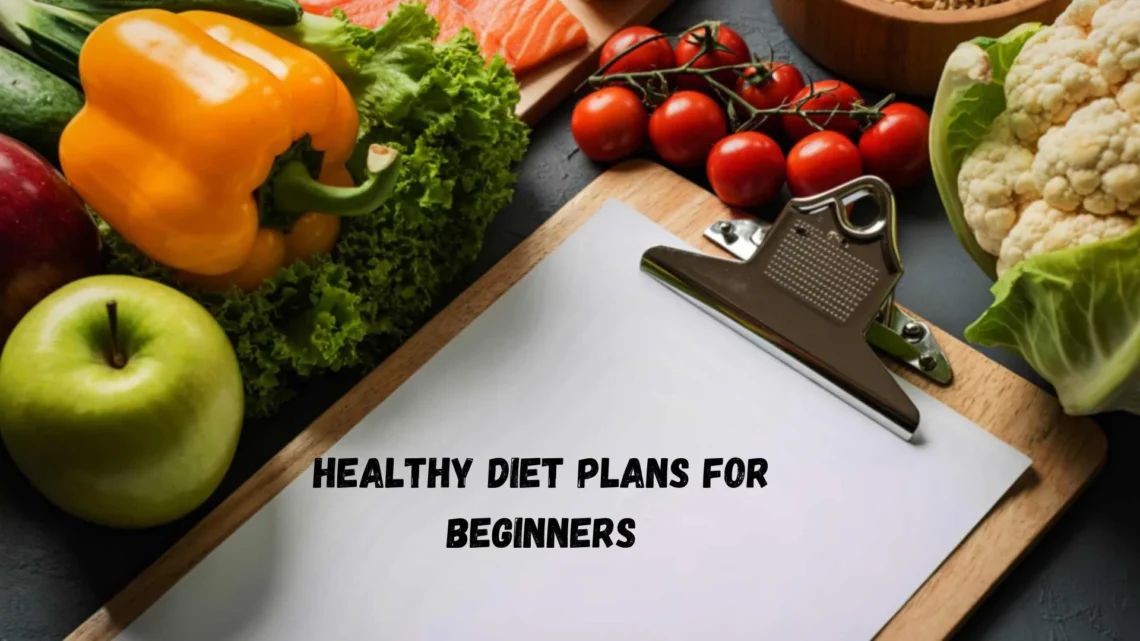
- Fruits and vegetables: They give vitamins and fiber. Try to eat at least 5 servings a day.
- Whole grains: Foods like brown rice, oats, and whole wheat bread give energy.
- Protein: Meat, fish, eggs, beans, and nuts help build muscles.
- Healthy fats: Use olive oil, nuts, and avocado instead of butter or fried foods.
- Water: Drink enough water every day to stay hydrated.
Eating a mix of these foods every day helps your body stay healthy and strong.
2. Plan Your Meals
Planning meals makes eating healthy easier. You don’t have to cook complicated dishes. Start with simple steps:
- Breakfast: Include protein and fiber. For example, oatmeal with fruits or eggs with vegetables.
- Lunch: Make half your plate vegetables, add protein like chicken or beans, and include a small portion of whole grains.
- Dinner: Keep it light. Choose vegetables and lean protein. Avoid heavy fried foods.
- Snacks: Choose healthy snacks like fruits, nuts, or yogurt instead of chips or sweets.
Meal planning helps you avoid unhealthy fast food. It also saves time and money.
3. Eat the Right Portions
Even healthy foods can cause weight gain if eaten in large amounts. Learning portion sizes is important. Here are simple tips:
- Use your hand as a guide:
- Protein = palm of your hand
- Carbs = fist
- Vegetables = two fists
- Fats = thumb
- Avoid eating straight from the packet. Put food on a plate first.
- Eat slowly. Stop when you feel full, not when the plate is empty.
Portion control helps you stay healthy and prevents overeating.
4. Make Healthy Choices Easy
Healthy eating should not be difficult. You can make it easy with small changes:
- Keep fruits and vegetables ready to eat in the fridge.
- Swap sugary drinks for water or unsweetened tea.
- Cook at home more often. You control what goes into your food.
- Try to eat more colors on your plate. Different colors mean different nutrients.
These small steps can help you stick to a healthy diet without feeling hungry or deprived.
5. Stay Consistent and Be Patient
Healthy eating is not about strict rules. It is about building good habits over time.
- Start with small changes, like adding one fruit or vegetable per day.
- Avoid skipping meals. Eat regularly to keep energy levels steady.
- Allow yourself a treat sometimes. Balance is important.
- Remember, results take time. Don’t give up if you don’t see changes immediately.
Consistency is the key. Healthy eating should be a lifestyle, not a short-term diet.
Conclusion
Starting a healthy diet as a beginner can be simple and enjoyable. Focus on eating a variety of foods, planning meals, controlling portions, and making small changes that last. Drink plenty of water, eat colorful fruits and vegetables, and include protein and healthy fats. Most importantly, be patient and consistent. Over time, these habits will make you feel stronger, healthier, and more energetic. Healthy eating is not a punishment—it’s a way to care for your body and enjoy life.