You’re chatting with a friend.
They say something serious.
Then you reply with “DW”.
Simple.
Short.
But… does everyone understand it the same way?
If you’ve ever seen DW in a text message and wondered what it means, you’re not alone. This small abbreviation shows up everywhere texts, social media, WhatsApp, Instagram, gaming chats, and even work messages.
In this guide, we’ll explain the DW meaning in text in plain, easy language. You’ll learn what it means, how to use it correctly, when to avoid it, and how tone changes everything.
By the end, you’ll know exactly when DW is friendly and when it might sound rude or careless.
Definition & Meaning of DW in Text
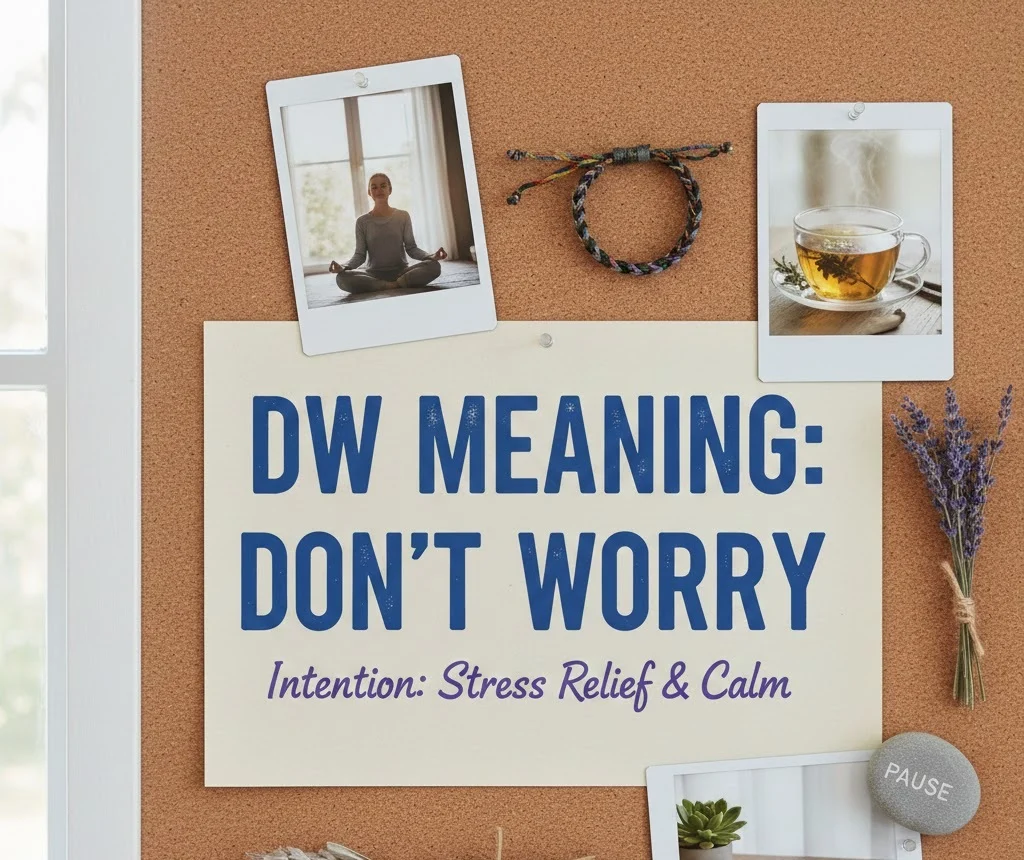
DW most commonly means “Don’t Worry.”
It’s a reassuring phrase used to calm someone down, show support, or tell them something is okay.
Core Meaning
- DW = Don’t Worry
- Tone: calm, relaxed, friendly
- Purpose: reassurance
Simple Examples
Texting with a friend
“Sorry I’m late.”
“DW 😊”
“I forgot to reply yesterday.”
“DW, it’s fine.”
Key Things to Know
- DW is informal
- It’s friendly in casual chats
- It can sound cold if used wrongly
Why People Use DW
- Saves time
- Feels relaxed
- Matches fast texting culture
But here’s the important part:
DW depends heavily on tone and relationship.
Used with friends? Great.
Used with strangers or at work? Risky.
Background & History of DW
The phrase “don’t worry” has existed forever.
But DW became popular with the rise of SMS texting in the early 2000s.
Why DW Became Popular
- Character limits in SMS
- Faster replies
- Youth texting culture
- Internet slang growth
Evolution Over Time
- Started in text messages
- Spread to MSN, Yahoo Chat, Facebook
- Now common on WhatsApp, Instagram, Discord, Slack
Cultural Influence
- Western texting culture
- Casual English-speaking communities
- Internet-first communication
Today, DW is understood globally—but not always appreciated the same way everywhere.
Usage in Different Contexts
1. Texting & Personal Messages
This is where DW feels most natural.
Examples
“Sorry, I can’t make it tonight.”
“DW, we’ll reschedule.”
Tone here is friendly and supportive.
2. Social Media
On Instagram, TikTok, or Twitter, DW is common in comments and DMs.
Example
“I deleted my post by mistake.”
“DW, it happens!”
Use emojis to soften tone:
- DW 😊
- DW ❤️
3. Gaming Chats
DW is widely used in gaming.
Example
“My bad, I messed up the round.”
“DW, we got this.”
Short. Calm. Encouraging.
4. Casual vs Professional Contexts
| Context | Is DW OK? | Why |
|---|---|---|
| Friends | ✅ Yes | Casual and understood |
| Social media | ✅ Yes | Informal environment |
| Gaming | ✅ Yes | Fast-paced chat |
| Workplace email | ❌ No | Sounds careless |
| Client communication | ❌ No | Too informal |
Professional Communication: Should You Use DW?
Short answer: No, avoid it.
In professional settings, DW can sound dismissive.
Why DW Is Risky at Work
- Feels too casual
- Can minimize concerns
- May sound unprofessional
Bad Example
“I made a mistake in the report.”
“DW.”
This feels careless.
Better Alternatives
- “No problem at all.”
- “That’s completely fine.”
- “Thanks for letting me know.”
Safe Rule
👉 If you wouldn’t say it in a meeting, don’t text it.
Hidden or Negative Meanings of DW
Most of the time, DW is positive.
But tone can flip it.
When DW Sounds Bad
- When someone is stressed
- When the issue is serious
- When no empathy is shown
Risky Example
“I’m really anxious about the deadline.”
“DW.”
This feels dismissive.
Better Version
“DW, I understand. We’ll handle it together.”
Rule to Remember
DW needs warmth.
Without it, it can feel cold.
DW in Online Communities & Dating Apps
DW appears a lot in dating apps like Tinder, Bumble, and Hinge.
How It’s Used
- To reduce pressure
- To sound relaxed
- To keep chat light
Example
“Sorry for the late reply.”
“DW 😊”
Tips for Dating Chats
- Add emojis
- Pair with reassurance
- Don’t overuse it
Overusing DW can make you sound uninterested.
Comparison with Similar Text Slang
| Term | Meaning | Tone | Use Case |
|---|---|---|---|
| DW | Don’t Worry | Calm | Reassurance |
| NP | No Problem | Casual | Acceptance |
| IDC | I Don’t Care | Risky | Can sound rude |
| K | Okay | Neutral | Short replies |
| All good | Everything’s fine | Friendly | Safer than DW |
Best choice?
“All good” is often safer than DW.
10 Slang Terms & Acronyms Related to DW
- DW – Don’t Worry
- NP – No Problem
- NBD – No Big Deal
- IDM – I Don’t Mind
- All G – All Good
- It’s fine – Casual reassurance
- No stress – Calm reply
- Cool – Informal acceptance
- Okie – Friendly okay
- No worries – Polite alternative
How to Respond When Someone Says DW
Casual Responses
- “Thanks 😊”
- “Appreciate it”
- “Cool, thanks!”
Friendly & Funny
- “Haha, good!”
- “You’re the best 😄”
Professional Response
- “Thank you for understanding.”
- “I appreciate your flexibility.”
Privacy-Conscious
- React with 👍 or 😊 instead of replying
Regional & Cultural Differences
United States & UK
- DW = friendly
- Common in casual chats
Australia
- “No worries” preferred
- DW still understood
Non-Native English Speakers
- DW may feel confusing
- Full sentences work better
Cultural Tip
When in doubt, spell it out.
FAQs About DW Meaning in Text
Q1: What does DW mean in texting?
DW means “Don’t Worry.”
Q2: Is DW rude?
Not usually, but it can sound dismissive if used carelessly.
Q3: Can I use DW at work?
It’s better to avoid it in professional messages.
Q4: Is DW used on social media?
Yes, very common on Instagram, WhatsApp, and Discord.
Q5: What’s a safer alternative to DW?
“No problem” or “All good.”
Q6: Does DW mean something else?
Rarely. In most contexts, it means “Don’t Worry.”
Conclusion (100 Words)
Understanding the DW meaning in text helps you communicate clearly and confidently in today’s fast-paced digital world. While DW usually means “don’t worry” and carries a friendly tone, its impact depends on context, timing, and relationship. It works best with friends, social media, and casual chats but should be avoided in professional settings. Always consider how the other person feels before using short replies. When used with warmth and care, DW keeps conversations relaxed, natural, and human. Mastering small slang like this makes your digital communication smoother and smarter.