Distance learning has moved from a temporary solution to a permanent part of modern education. Schools, universities, companies, and independent learners now rely on digital tools to teach and learn from anywhere. However, success depends heavily on choosing the right distance learning resources.
This guide explains what distance learning resources are, why they matter, and how to choose the best tools for students, teachers, and parents. You will also find free and paid options, resources by education level, and best practices for effective remote learning.
What Are Distance Learning Resources?
Distance learning resources are digital tools, platforms, and materials that support education outside a traditional classroom. These resources help deliver lessons, manage coursework, assess performance, and enable communication between learners and educators.
Distance learning resources may include:
- Online learning platforms
- Learning management systems (LMS)
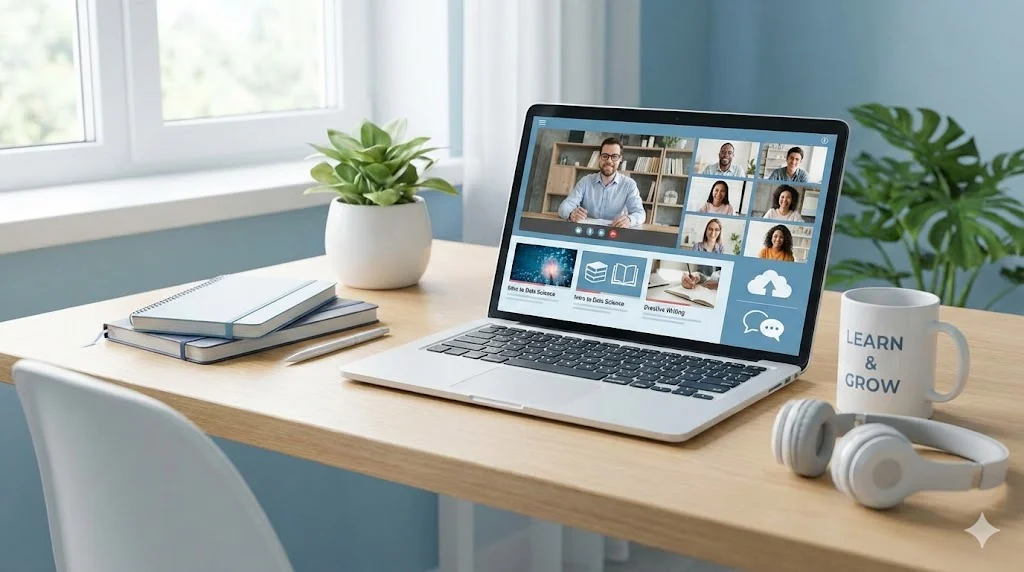
- Virtual classroom tools
- Digital textbooks and videos
- Online assessment and collaboration tools
While people often use terms like online learning, e-learning, and virtual learning interchangeably, distance learning focuses on physical separation between learners and instructors, supported entirely by technology.
Why Distance Learning Resources Matter
Using the right online learning resources can significantly improve outcomes.
Key Benefits
- Flexibility: Learn anytime and anywhere
- Accessibility: Reach students in remote or underserved areas
- Cost savings: Reduce travel and physical infrastructure costs
- Personalized learning: Adapt content to individual progress
- Digital skills development: Build essential technical competencies
Well-chosen distance education resources help learners stay engaged and organized while enabling teachers to manage classes efficiently.
Common Distance Learning Challenges (And How Resources Help)
Distance learning is effective, but it comes with challenges.
| Challenge | How Resources Help |
|---|---|
| Low engagement | Interactive tools and gamified learning |
| Limited feedback | Real-time quizzes and analytics |
| Poor time management | Scheduling and productivity tools |
| Connectivity issues | Low-bandwidth and offline resources |
| Assessment integrity | Secure online testing platforms |
Choosing the right remote learning tools directly addresses these obstacles.
Core Categories of Distance Learning Resources
1. Learning Management Systems (LMS)
An LMS acts as the central hub for distance education.
Key functions:
- Course organization
- Assignment submission
- Grade tracking
- Student communication
Popular LMS platforms are widely used in schools, universities, and corporate training programs.
2. Virtual Classroom and Video Conferencing Tools
Virtual classroom tools support live interaction.
Common features include:
- Live video lectures
- Screen sharing
- Breakout rooms
- Session recordings
These tools simulate real classroom experiences in a remote environment.
3. Online Course Platforms
Online learning platforms provide structured, self-paced education.
They are ideal for:
- Skill development
- Professional training
- University-level coursework
- Lifelong learning
Many platforms combine video lessons, quizzes, and certificates.
4. Content Creation Tools for Educators
Teachers rely on digital teaching resources to build engaging lessons.
Examples include:
- Screen recording tools
- Interactive presentation builders
- Video editing software
Strong content creation improves clarity and retention.
5. Online Assessment and Quiz Tools
Assessment tools measure learning progress.
They support:
- Automated grading
- Instant feedback
- Formative and summative assessments
These resources save time while maintaining academic standards.
6. Collaboration and Communication Tools
Distance learning requires strong communication.
These tools enable:
- Group projects
- Discussion forums
- Peer feedback
- Instructor-student messaging
Effective collaboration tools increase participation and accountability.
Best Distance Learning Resources for Students
Students benefit most from tools that support organization and understanding.
Recommended Resource Types
- Free online learning resources
- Study and note-taking apps
- Time management tools
- Subject-specific platforms (math, science, languages)
Self-paced learning resources are especially useful for independent learners.
Distance Learning Resources for Teachers
Teachers need resources that simplify planning and engagement.
Essential Tools for Educators
- Lesson planning platforms
- Virtual classroom tools
- Student engagement software
- Analytics and progress tracking tools
Professional development resources also help teachers adapt to online instruction.
Distance Learning Resources for Parents and Homeschooling
Parents play a vital role in remote education, especially for younger learners.
Useful resources include:
- Curriculum-based learning platforms
- Parental monitoring tools
- Age-appropriate educational apps
- Motivation and structure-building tools
These resources support consistent learning at home.
Distance Learning Resources by Education Level
K–12 Distance Learning Resources
- Interactive learning apps
- Teacher-guided LMS platforms
- Visual and gamified tools
College and University Resources
- Learning management systems
- Online libraries and research tools
- Collaboration platforms
Adult and Lifelong Learning Resources
- Skill-based online courses
- Certification programs
- Career development platforms
Corporate Distance Learning Tools
- Employee training platforms
- Compliance and onboarding tools
- Performance analytics software
Free vs Paid Distance Learning Resources
| Feature | Free Resources | Paid Resources |
|---|---|---|
| Cost | No cost | Subscription or license |
| Features | Limited | Advanced and scalable |
| Support | Minimal | Dedicated support |
| Customization | Basic | High |
Free distance learning tools work well for beginners. Paid tools are better for institutions and long-term use.
Low-Bandwidth and Mobile-Friendly Distance Learning Resources
Not all learners have high-speed internet.
Effective options include:
- Downloadable lessons
- Mobile learning apps
- Offline access features
- Text-based and audio materials
Accessibility ensures equitable learning opportunities.
How to Choose the Right Distance Learning Resources
When selecting tools, consider:
- Learning goals
- User skill level
- Budget constraints
- Device compatibility
- Privacy and security standards
A simple checklist prevents wasted time and money.
Best Practices for Using Distance Learning Resources Effectively
- Create a structured learning schedule
- Combine multiple resource types
- Encourage interaction and feedback
- Track progress regularly
- Avoid tool overload
Consistency matters more than complexity.
Future Trends in Distance Learning Resources
Distance learning continues to evolve.
Emerging trends include:
- AI-powered personalized learning
- Adaptive assessments
- Gamification and immersive learning
- Virtual and augmented reality classrooms
These innovations will shape the future of online education.
Frequently Asked Questions
What are distance learning resources?
They are digital tools and materials used to support education outside a physical classroom.
Are distance learning resources effective?
Yes, when used correctly, they improve flexibility, access, and learning outcomes.
What are the best free distance learning resources?
Free platforms, open educational resources, and basic LMS tools are excellent starting points.
Which tools are essential for distance learning?
An LMS, communication tools, assessment platforms, and learning content are core requirements.
Conclusion
Distance learning resources are no longer optional. They are essential for modern education. Whether you are a student, teacher, or parent, the right tools make learning more effective, engaging, and accessible.
By understanding resource types, matching tools to goals, and following best practices, you can build a successful distance learning experience that works now and adapts to the future.